Address global protein shortages through genome-edited breeding
- We spoke with Mr. Kenta Kishimoto of Regional Fish Co., Ltd., who was selected in Phase 3 in FY2021, the year this program was launched, and who continues to be active even after graduating from the program. In this interview, he shares the background behind the company’s commercialization journey, messages for those aspiring to start their own ventures, and his perspectives on the strengths and appeal of this program.
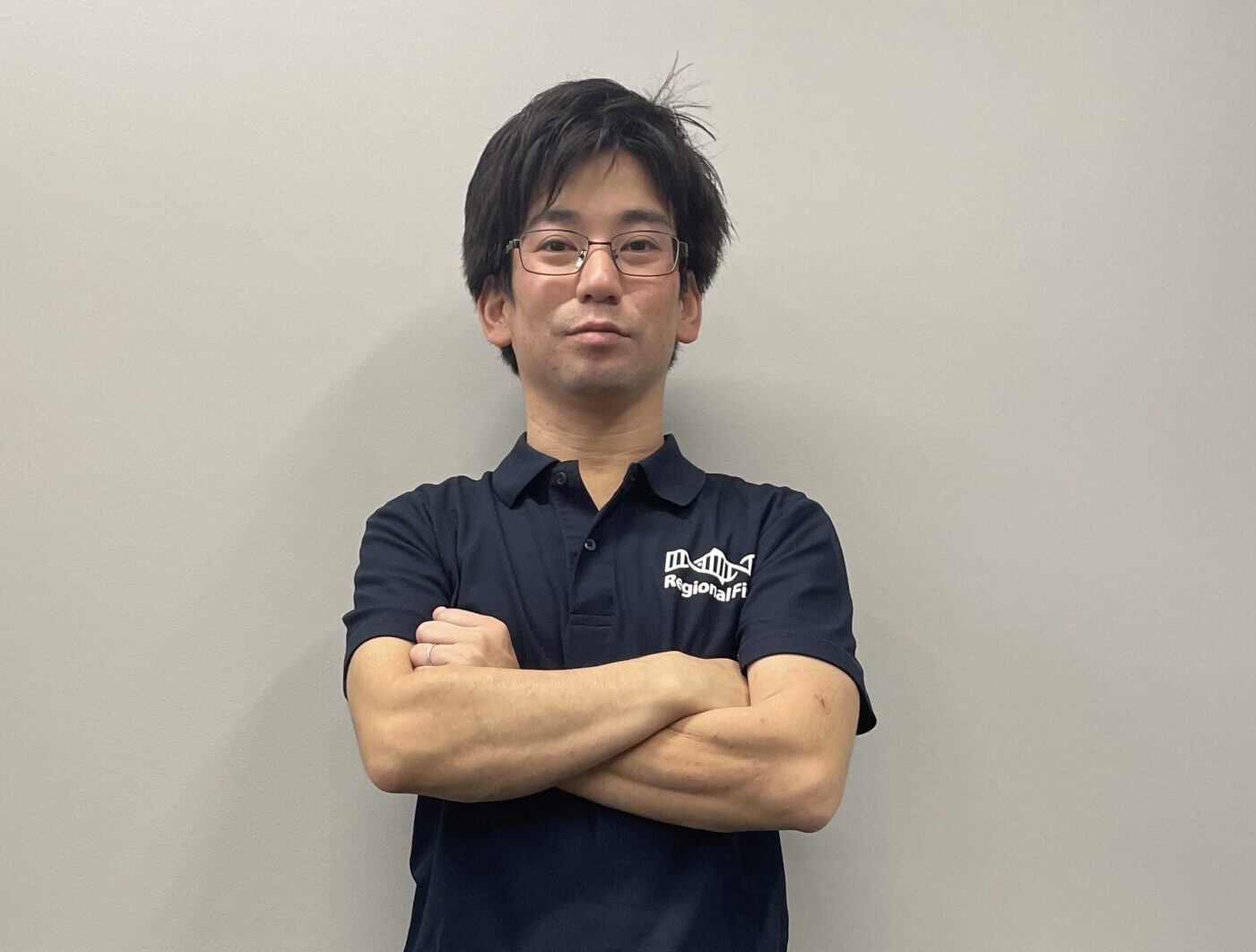
Kenta Kishimoto, Director of Research and Development, Regional Fish Inc.
Background Leading to Commercialization
Mr. Kishimoto currently serves as Director of Research and Development at Regional Fish Inc. We understand that he has been involved in the research since before the company was founded; could you tell us about the background and circumstances that led to the decision to establish the company?
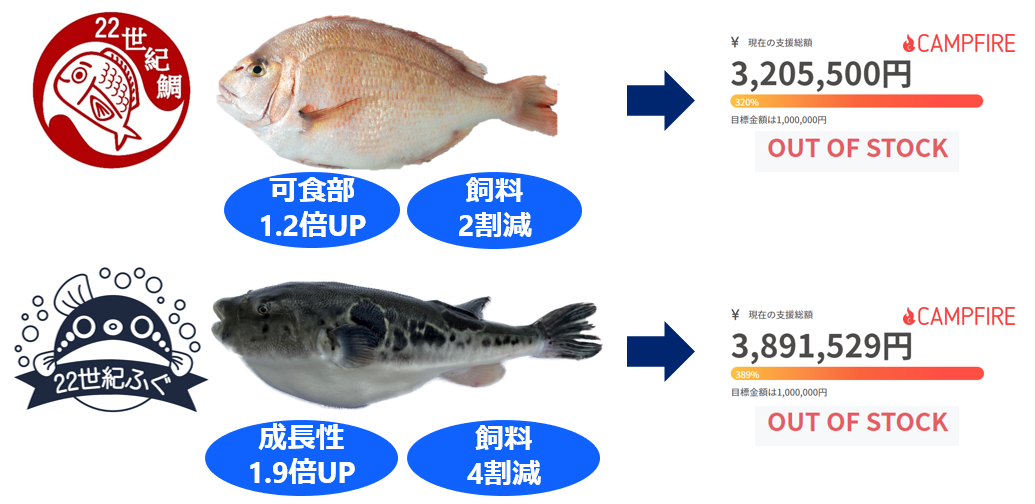
- During my time at university, I conducted research on genome-edited red sea bream and tiger pufferfish under Professor Kinoshita of Kyoto University, who is also currently involved with Regional Fish. Through this work, I came to strongly believe that this technology had the potential to make a meaningful contribution to society. At the same time, however, I was keenly aware of the challenge of how to effectively translate research outcomes into real-world value.
Genome-editing technologies face issues related to consumer acceptance and regulatory frameworks, which made it difficult for large corporations to actively enter the field, resulting in a prolonged wait-and-see approach across the industry. Against this backdrop, I discussed with Professor Kinoshita the idea of establishing our own company to pursue this challenge independently. It was during this process that we met Mr. Umekawa, the current CEO of Regional Fish, who brought extensive business experience, and this encounter ultimately led us to decide to found the company.
Given that both Professor Kinoshita and Mr. Kishimoto come from academic backgrounds, did you have any concerns about stepping into the world of business?
- While I did not have prior business experience and initially lacked confidence, I did not feel a significant sense of anxiety, as Mr. Umekawa had extensive experience in business and in launching startup ventures. In fact, from a business perspective, we have been able to grow steadily without encountering major difficulties to date.
That said, assembling the team during the early stages of the company was a challenge. In addition to the founding members, we needed personnel to lead research and development; however, immediately after the company’s establishment, our lack of name recognition made it difficult to attract suitable candidates through open recruitment. As a result, we relied on personal networks and took a steady, hands-on approach to reaching out to potential team members.
Although securing research and development talent to play a central role in realizing the company’s vision appears to have been a challenge, you have nevertheless advanced the business smoothly. Based on your experience, do you have any advice for those who are considering applying to this program in the future, or for individuals from academia who are aiming to start their own ventures?
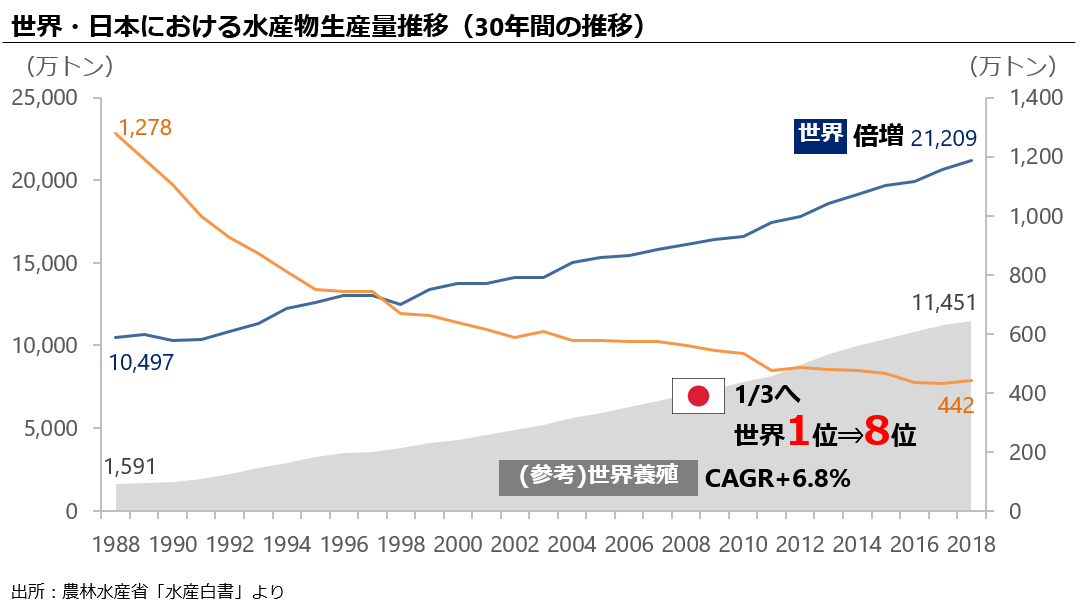
- I believe that, in order to achieve sustained and consistent growth, it is essential to have a clear concept of which specific challenges a particular research seed is intended to address. Rather than pursuing commercialization based solely on the existence of a research seed, it is important to first accurately identify on-the-ground issues and needs, and then to engage in technology development aimed at solving those challenges. When this alignment is lacking, it is all too common for the original concept to drift as research and development progresses.
In our case, we had a strong awareness of the challenges facing Japan’s declining fisheries industry, and we identified the growth of the aquaculture sector as a potential solution. We also maintained a consistent concept of utilizing technologies such as genome editing as a means to realize that solution. This clear and coherent vision enabled us to successfully connect our research seeds to business development.
About AgriFood
Regional Fish applied to the Startup Comprehensive Support Program (hereinafter referred to as “the Program”) in 2021, two years after the company began operations in 2019. Could you tell us what prompted you to apply for the Program?
- I was already familiar with the SBIR system itself; however, support programs administered by other ministries did not align with the themes our company was addressing, and as a result, we had not applied. When we learned that a support program would also be launched in the agriculture, forestry, and fisheries sector, we recognized a strong alignment with our development areas, such as genome editing and land-based aquaculture, and therefore decided to apply.
What kind of research and development initiatives did you undertake through this Program?
Within this Program, as part of our efforts to develop a stable seedling production system for farmed fish, we worked on technologies that would enable year-round seedling supply even for species with limited spawning seasons. Specifically, we developed methods to produce seedlings either earlier or later than the conventional spawning period. In addition, as an extension of this work, we also developed technologies to shorten the period required for sexual maturation—which typically takes two years under standard rearing conditions—through environmental control.
- Approximately two years before this Program began, we had only just succeeded in developing genome-edited fish strains. At that stage, we first conducted demonstration trials of aquaculture production at a practical scale, which confirmed that high productivity could be maintained under such conditions.
To further expand production scale, we then focused on technologies for the stable production of seedlings. Seedling production is essential to aquaculture; however, the stable collection of high-quality eggs requires advanced technical expertise.
Furthermore, building on our experience with red sea bream and tiger pufferfish, we also undertook the development of new genome-edited strains, including the creation of novel varieties suitable for deployment both domestically and internationally.
What aspects of this Program did you find particularly appealing?
- First and foremost, the financial support was extremely attractive. In our case, not only do genetic analysis costs associated with strain development represent a significant expense, but setting up facilities such as tanks that enable environmental control is also highly costly. Support for the personnel expenses of highly skilled researchers was another important factor.
Although the program period was relatively short and therefore limited the scope of what could be fully validated, we have continued to pursue further development building on the outcomes to this day. Through the hands-on support provided by the program, we also received assistance in organizing and understanding overseas trends.
Another valuable aspect was the opportunity to build connections with other agri-venture companies working on the development of genome-editing technologies and aquaculture technologies. This made participation in the program particularly worthwhile. Looking ahead, I believe that open innovation among venture companies has the potential to further energize the agri-industry.
In addition, genome editing often faces regulatory hurdles, but the program provided a valuable forum for discussion on these issues with the program office and other participating groups. Finally, being selected for this project and achieving our development goals served as a strong signal to investors, which I believe contributed to our successful Series B fundraising.
Finally, could you share any messages or thoughts regarding Regional Fish’s future outlook?
- At Regional Fish, we will continue, as we always have, to pursue innovation in the fisheries industry by building on strain development through genome-editing technologies, with the aim of contributing to the growth and advancement of Japan’s fisheries sector. To achieve this, we are actively seeking talented individuals in management, research, and aquaculture operations, and we would welcome applications from those who believe they can make a meaningful contribution.
In addition, we encourage researchers who possess promising technological seeds, as well as those who have ideas or visions they wish to develop, to reach out to us. We look forward to exploring new possibilities together.
(Reference) Articles on Collaboration with Large Corporations
Establishment of “NTT Green & Food Inc.”, a Joint Venture between NTT and Regional Fish
— Aiming to Create New Industries Rooted in Local Communities —